
Some market entry questions arrive already half-answered, with a client who knows roughly where they want to go and needs research to fill in the details. This project was not one of those.
A European industrial group, with an established manufacturing base producing steel tanks for the energy sector, came to Accurate Middle East with a genuinely open question. They needed to decide whether to enter the Gulf at all, and if so, where. Not “UAE, but which city” or “Saudi Arabia, but which segment.” The decision sat one level above that: two countries, both plausible, both largely unknown to a manufacturer whose commercial experience had been built entirely in Europe.
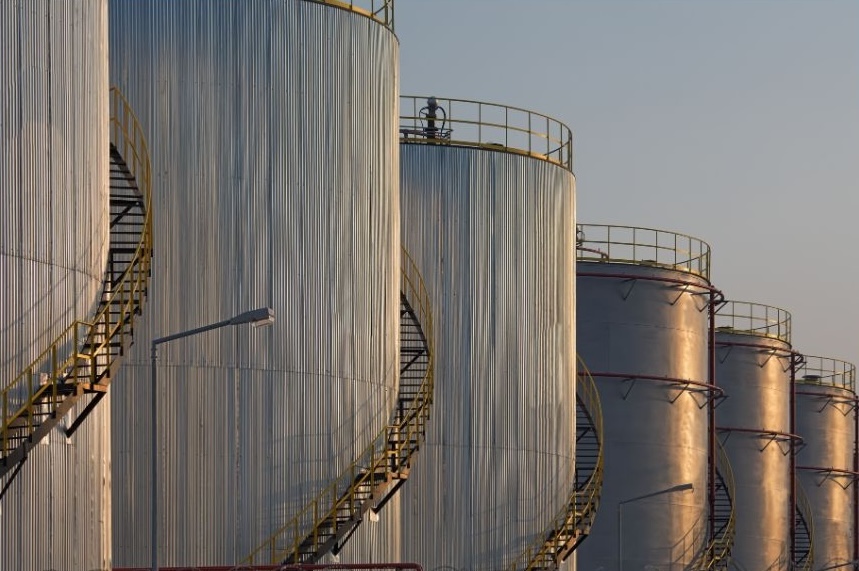
Steel tanks feasibility study GCC UAE Saudi Arabia
In this case study you’ll learn
- Why “which market is bigger” is the wrong first question in Gulf manufacturing decisions;
- How tender procedures and procurement gaps shape a market entry case more than headline demand figures;
- Why interviewing buyers and distributors matters more than desk research in industrial B2B markets;
- What separates a market research question from a feasibility question, and why this project needed both.
Client Context
The client is a European manufacturer of industrial steel tanks, with storage tanks for the oil and gas sector as their core product line. Established and experienced in their home market, the Gulf represented their first serious evaluation of international manufacturing expansion. The project ran across late 2024 and into 2025.
The Question Behind the Question
On paper, the brief was a single question: UAE or Saudi Arabia. In practice, it broke into two distinct layers that needed answering separately before either could inform the other.
- The first was a market question. Which of the two markets was larger. Which was growing faster. And, critically, because neither market behaves as a single block, which specific segments within each market were expanding, and which were flat or shrinking. A manufacturer entering blind, assuming the two markets behave similarly because they sit in the same region, risks building capacity for a segment that looks strong in aggregate but is actually stagnant where the client would realistically compete. And which competitors are already in the market and who is the potential direct competitor.
- The second was a technical and operational question, and it mattered just as much as the market sizing. What materials and specifications does the market actually require, and do they match what the client currently manufactures for Europe. Who are the real buyers, and how do their procurement processes work. Gulf tender procedures, particularly in industrial and energy-adjacent sectors, follow their own logic: contract volumes, qualification requirements, local content expectations, relationships with EPC contractors. A manufacturer that understands demand but not procurement can still lose every tender they bid on.
- Underneath both questions sat a more fundamental one the client had not fully separated out at the start. Was this a manufacturing decision at all, or a trading decision. Setting up a plant is a different commitment, financially and operationally, from exporting into the region or trading through a local partner. Part of the research’s job was to establish which of those paths the data actually supported, rather than assuming manufacturing was the answer before the evidence was in.
Our Approach
We built the research in two phases, because the two underlying questions required genuinely different methods to answer properly.
Phase one: market research. This combined desk-based analysis with a hybrid layer of primary research: competitor benchmarking and in-depth interviews, not only with regional and industry experts, but with the buyers themselves. Contractors and distributors who actively purchase and supply steel tanks in both markets sat on the other side of these conversations, as a primary source in their own right rather than a secondary check on desk findings. Desk research can describe a market’s estimated size. It cannot explain how a tender is actually won, what a procurement team weighs when shortlisting suppliers, or where the current supply base falls short of what buyers need. Those answers only exist inside the people doing the buying and selling.

Steel tanks market Saudi Arabia Accurate ME
This phase confirmed what the client expected going in: oil and gas storage remains the dominant demand driver for industrial steel tanks in both markets. It also surfaced something the client had not built into their original thinking, a distinct and growing demand for agricultural and water storage tanks, expanding on its own trajectory and independent of the energy sector’s cycles. For a manufacturer evaluating long-term capacity, a second, uncorrelated demand driver changes the risk profile of the investment meaningfully. It is not a single-sector bet.
Phase two: feasibility. Once the market picture was established, the research moved into direct comparison, setting the UAE and Saudi Arabia side by side on regulatory complexity, import tariffs, labour cost, and logistics. This is where the project shifted from describing the market to establishing what it actually costs to operate in each one, and how the two compare. The financial model that followed, covering CAPEX, OPEX, and return scenarios, was built on this comparison rather than on market size alone.
Key Finding
The market ultimately recommended to the client was not the larger of the two. This runs against the instinct most manufacturers bring into a market entry decision, that a bigger market means a better opportunity. In this case, the smaller market offered materially better logistics, a lower cost of setting up the manufacturing operation, and lower labour costs. Together, these advantages outweighed the raw demand gap between the two countries.
The client’s own investor presence in the recommended market reinforced the case, but it was not the deciding factor. The recommendation stood on the operational and cost fundamentals the research uncovered. The investor relationship made execution easier once the market itself had already been chosen on its own merits.
We are not naming which market was selected in this case study, at the client’s request. The specific comparative findings between the two countries formed part of a confidential commercial assessment. What we can say is that the decision came down to a genuine trade-off between market size and operating economics, and the smaller, cheaper-to-operate market won.
Outcome
The client moved forward with the recommended market. At the time of writing, they are finalising land acquisition and beginning the early stages of setting up manufacturing operations.
What This Case Illustrates
Manufacturers entering the Gulf for the first time often default to the largest visible market, treating size as a reasonable proxy for opportunity. This case is a useful correction to that instinct. Market size answers one part of a much larger question. Cost of operation, regulatory complexity, logistics, and labour together determine whether that size actually translates into a viable, profitable business, and in industrial manufacturing, where margins are shaped as much by operating cost as by revenue, that second half of the equation can outweigh the first.
It is also a reminder that Gulf markets are not interchangeable. Treating “GCC” as a single opportunity rather than two distinct commercial environments, each with its own regulatory logic, cost structure, and buyer behaviour, is one of the most common and most expensive assumptions a new entrant can make.
Key Takeaways
- Market size alone is not a reliable proxy for opportunity; operating cost and regulatory complexity can outweigh a demand advantage;
- Desk research describes a market; buyer and distributor interviews explain how it actually operates;
- Competitor mapping and market gaps;
- Segment-level growth, agricultural and water storage in this case, can matter as much as headline sector demand;
- The UAE and Saudi Arabia require separate evaluation, not a single combined “GCC” assessment.
Talk to Our Specialist
If you are evaluating a manufacturing or trading entry into the UAE or Saudi Arabia and need a clear, evidence-based answer, not just on market size, but on where the real commercial case is, contact us directly.
Reach us on WhatsApp or call us +971 50 559 5603 or send us the request to team@meaccurate.com. We respond quickly and can have an initial scoping proposal back to you within hours.
Or explore our Feasibility Studies and Market Entry & GTM Strategy services to see how we approach these decisions.


