
Prepared by Accurate Middle East Consulting
A family-owned construction and development company held a plot of land in Sharjah and was considering a shopping mall. The key question was not whether the land could be developed, but what kind of mall the market could support and how the concept should differ from established competitors.
Before moving further into design and permitting, the family wanted an independent view of shopper demand, competitive pressure, positioning and tenant mix. The assignment ran for eight weeks, from field research through to the final development strategy.
Project Summary
| Client | Family-owned construction and development company, UAE |
| Location | Sharjah, UAE |
| Decision | What to build on an owned plot: format, positioning and tenant mix |
| Survey | 500 respondents |
| Focus Groups | 5 groups |
| Competitor Benchmarking | 10 malls, including leading premium and popular destinations |
| Geographic Coverage | Primarily Sharjah residents, with additional input from visitors from Ajman and Dubai |
| Timeline | 8 weeks from research to final strategy |
| Outcome | Concept defined; client proceeded to permit applications |
Client Context
The client already owned the land, but that did not remove the commercial risk. A mall was one possible use for the site, yet there was no independent evidence showing what format would work, which shoppers it should serve, or how it could compete with existing destinations.
The feasibility study therefore focused on the decisions that would be difficult to reverse later: positioning, visitor proposition, tenant mix and the role the mall should play within the Sharjah retail market.
The Decision the Client Needed to Make
Sharjah already had established shopping destinations with familiar tenant mixes and strong shopper habits. At the same time, some residents regularly travelled to Dubai for shopping and leisure, so the competitive set extended beyond the emirate itself.
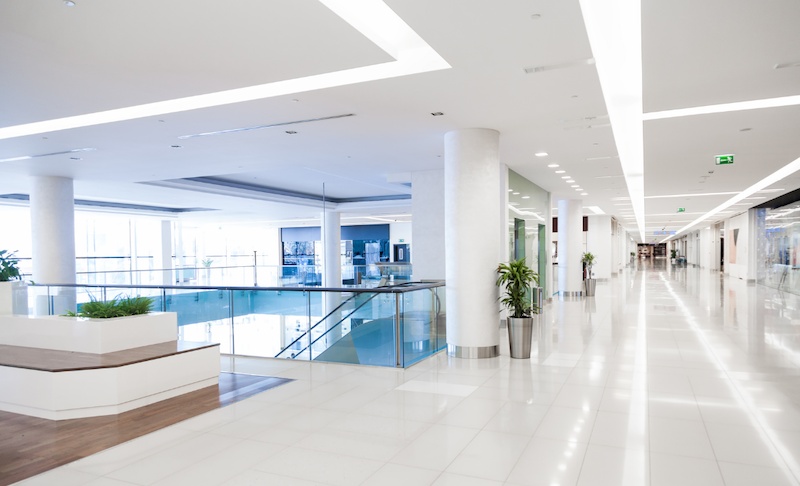
Shopping Mall Feasibility Study in Sharjah
The client needed to understand four things before committing further capital:
- what shoppers in the catchment expected from a mall and where current options were falling short;
- how existing malls were positioned and which parts of the market were already crowded;
- what concept could attract regular local use without trying to imitate established premium malls;
- which tenant categories and anchors would support the positioning commercially.
How We Approached the Study
We designed the research around the development decision rather than around a generic retail-market report.
The quantitative stage covered 500 respondents, focusing primarily on Sharjah residents who visit malls in their free time, while also including visitors from Ajman and Dubai. The survey explored shopping habits, preferred destinations, visit frequency, spending behaviour and the reasons some shoppers chose Dubai instead.
Five focus groups were conducted to explore those patterns in more depth, particularly around family behaviour, convenience, expectations from a local mall and the factors that make one destination more attractive than another.
In parallel, we benchmarked 10 competing malls, including leading premium and popular destinations. The comparison covered positioning, tenant offer, visitor proposition, accessibility and the way each mall competed for shopper attention.
The purpose was not simply to describe competitors. We wanted to identify where the market was already well served and where a new development could have a credible reason to exist.
The findings were then translated into a positioning concept and tenant strategy. The detailed tenant mix remains confidential, but it was built around the demand patterns and competitive gaps identified during the study.
What the Research Changed
The research indicated that the strongest opportunity was not to create another premium mall. A more defensible concept was a convenient, family-oriented destination with an accessible offer and a clear reason for Sharjah residents to use it regularly.
One of the important findings was that Dubai had to be treated as part of the competitive set. The survey measured how often Sharjah residents travelled there for shopping, showing that part of the opportunity lay in understanding which spending could realistically be retained locally.
This shifted the strategic question. Instead of asking how to compete head-on with the largest malls, the project focused on which needs could be served more conveniently within Sharjah and how the tenant mix should support that position.
Access and parking were considered in the same context, not as separate design issues but as part of the reason a shopper might choose the development over another destination.
Result
The eight-week study moved the project from a broad development idea to a defined concept supported by consumer research and competitor evidence.
The client received a clear view of the target shopper, competitive gaps, positioning and the tenant strategy required to support the concept.
Following the study, the client proceeded to permit applications.
For similar developments, our real estate feasibility studies in the UAE combine demand research, competitor benchmarking and commercial assessment before major development decisions are made.
Planning a retail or real estate development in the UAE? Contact Accurate Middle East to discuss the project.


