
Engagement snapshot:
Duration: 12 weeks
Stakeholder interviews: 16
Market: Saudi Arabia — Dammam, Eastern Province
Manufacturing Feasibility Study in Dammam: Testing the Investment Case
Dammam and the wider Eastern Province sit at the center of Saudi Arabia’s industrial base — home to established oil and gas infrastructure, a deep manufacturing supply chain, and, increasingly, the kind of diversification investment that Vision 2030 and the National Industrial Development and Logistics Program (NIDLP) were designed to accelerate. This manufacturing feasibility study in Dammam tested whether a building materials manufacturing project could find the right market, niche and compete with existing market players in the market.
In 2025, Accurate Middle East conducted a market research and feasibility study for a building materials manufacturing investment in Dammam. The project was commissioned by a GCC-based investment group already active in real estate, construction and industrial manufacturing across Dammam and other Saudi provinces — an investor with direct exposure to the sector, working relationships across the local supply chain, and a reasonable instinct that a gap existed. What the group didn’t yet have was a validated answer to three specific questions: which products in this category carried genuine, current demand; what it would realistically cost to produce and sell them competitively; and which buying industries represented the strongest volume opportunity, now and over the medium term.
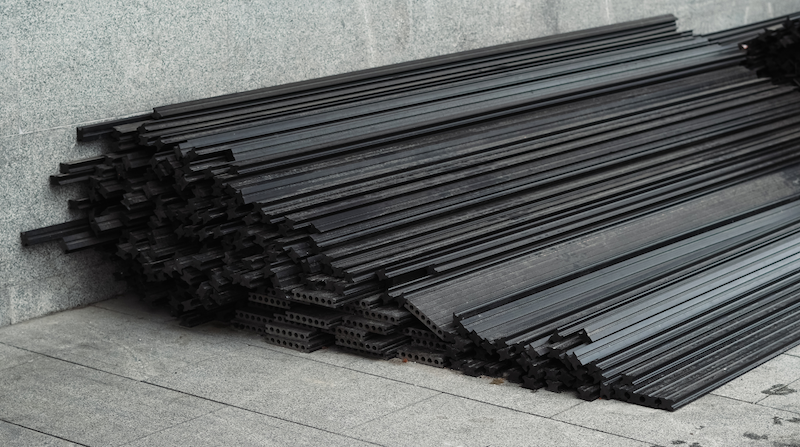
Manufacturing feasibility study Dammam Saudi Arabia industrial zone
This is a common position for experienced regional investors to be in. Proximity to a market and years of adjacent business experience build strong instincts, but instincts are not evidence a bank, a joint-venture partner, or an internal investment committee will act on. The client’s core mandate to Accurate Middle East was direct: identify the real market gaps worth pursuing, establish a defensible cost and competitive position, and provide the analytical foundation needed to calculate return and outline the manufacturing plan before capital moved.
The engagement was led by Mohamed AlSherbni, Senior Construction & Industrial Consultant on Accurate Middle East’s Saudi team, with over 20 years of experience in construction and industrial research across the Kingdom. That regional depth mattered from the first week — much of what determines whether an industrial investment in Saudi Arabia is viable sits outside any published database: in licensing sequencing, in which buyers are actually consolidating their supplier lists this year, in which zones carry real subsidy value versus which only carry it on paper.
Step 1: Market and Regulatory Landscape
The study opened by mapping the demand structure for building materials across the Eastern Province — establishing which product categories were genuinely underserved by current local production, as distinct from categories where the market simply appeared open from the outside. Early-stage market assessments often mistake the absence of visible local competitors for the absence of a served market; in practice, unserved categories are frequently unserved because demand is thinner than assumed, not because the opportunity was overlooked. Separating the two was the purpose of this stage.
Alongside the demand mapping, the team reviewed the regulatory and licensing conditions that would apply to a new manufacturer entering this category in Saudi Arabia — sequencing requirements, the approvals a facility of this type would need before construction and before commercial operation, and how those requirements compare across the industrial zones under consideration. The team also assessed available industrial land and infrastructure through MODON-administered zones, which offer manufacturers structured access to utilities, logistics connectivity and, in qualifying cases, subsidy support — a material factor in any Eastern Province manufacturing decision, and one that shaped the site options carried forward into later stages of the study.
Step 2: Buyer and Industry Demand Research
Desk market research and regulatory mapping establish the boundaries of an opportunity; they rarely confirm whether real buyers will actually purchase at the volumes and terms a business case requires. To test that directly, Accurate Middle East conducted 16 stakeholder interviews spanning clients, market experts, wholesalers, traders and — deliberately — competitor manufacturers already active in the category.
Including competing manufacturers in the interview set was a specific methodological choice, not an incidental one. Manufacturers already operating in a market have direct, current knowledge of buyer behavior, pricing pressure and supply constraints that published trade data does not capture, and are often more candid about where the market’s real weaknesses sit than either buyers or their own marketing material would suggest. Combined with direct interviews across the buyer side, this gave the study two independent, cross-checked views of the same market rather than a single perspective taken at face value.
The interviews were structured to validate a specific set of commercial questions: which buying industries were growing fastest in the region, and which were flat or in decline; what real purchasing volumes and order frequency looked like by industry segment, as distinct from headline market-size figures; where current suppliers were falling short, in the buyers’ own words; and what conditions — on price, on reliability, on service — a new local manufacturer would need to meet before an established buyer would seriously consider switching supply relationships. This is the layer of evidence that turns a plausible opportunity into an investable one: not simply confirming that demand exists somewhere in the market, but establishing exactly where it is concentrated, how defensible it is, and what it would take to actually win it.
Step 3: Cost and Competitiveness Assessment
With demand patterns and buyer requirements established, the study turned to whether the proposed facility could compete on cost and positioning within that demand structure. This stage assessed the production cost base the client would face — inputs, operating structure, and the scale required to reach efficient unit economics — against what buying industries in the region were already paying established suppliers.
Site economics were a central part of this assessment. Land for the facility was secured through a MODON-administered industrial zone, positioning the project to draw on the infrastructure and subsidy support available through that channel — a factor that materially affects the cost base a new manufacturer starts from, and one the team weighed directly against the demand and pricing evidence gathered in Step 2. The objective throughout this stage was not to produce an optimistic cost projection, but a defensible one: a cost and competitive position the client could stand behind in front of a bank, a joint-venture partner, or its own board.
Step 4: Financial Feasibility Study, Licensing and Investment Outcome
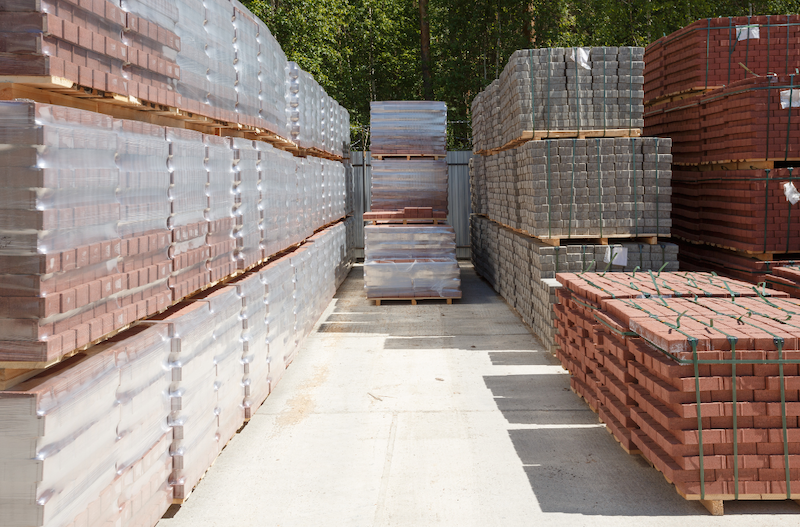
Manufacturing feasibility study Dammam Saudi Arabia Accurate ME
The findings from the demand research and cost assessment stages were brought together into a financial model, used to calculate expected return and to outline a realistic manufacturing plan going forward — covering which products to prioritize at launch, what scale to build toward, and what the phased path from facility commissioning to full commercial operation should look like. Given the confidential nature of this engagement, the specific financial outcomes of that model are not published here.
What can be reported is the outcome the study supported: the final feasibility report confirmed which products in the category carried genuine, current market demand; established the facility’s realistic cost and competitive position relative to the existing supply base; and identified the buying industries growing fastest and therefore most worth prioritizing at launch. On the strength of that analysis, the client obtained the required manufacturing license from the relevant Saudi authorities and initiated a joint venture to proceed with the facility — moving from an investor’s informed instinct to a licensed, partnered, evidence-backed manufacturing investment.
- What the Study Helped the Investor Decide
- Which product lines within the category carried confirmed, current demand, and which did not justify pursuing
- Which buying industries represented the strongest near-term volume opportunity
- The facility’s realistic cost base and competitive position against existing local suppliers
- Where to locate the facility to capture available industrial land and subsidy support through MODON
- The licensing pathway and sequencing required to operate as a new manufacturer in Saudi Arabia
- What commercial and competitive risks needed active monitoring before capital was committed, and afterward
Why This Engagement Reflects Our Approach
A feasibility study in Saudi Arabia is only as useful as the evidence underneath it. Throughout this engagement, every conclusion — on demand, on cost, on which buying industries to prioritize — was built from direct interviews with the people actually operating in the market: buyers, wholesalers, traders and competing manufacturers, not desk research alone. For an investor already familiar with the region, the value of this kind of study isn’t introducing an unfamiliar market. It’s replacing informed instinct with evidence specific enough to defend in front of a partner, a lender, or a licensing authority — and specific enough to act on with confidence.
Considering a manufacturing feasibility study for construction in Dammam or elsewhere in Saudi Arabia?
Considering a manufacturing investment in Saudi Arabia? Accurate Middle East can help validate market demand, cost positioning and licensing feasibility before you commit capital.
For inquiries, consultations, or tailored proposals, contact us via WhatsApp, call us at +971 50 559 5603, or fill in our brief form.


