
Last Updated: 12 September 2026
Developing a Market Entry Strategy for the UAE
Entering the UAE market is not simply an operational decision. Before investing in company setup, local teams, distribution or market launch, businesses need to understand whether the opportunity is commercially viable and determine the right approach to entering the market.
A UAE market entry strategy brings these decisions together. It assesses market demand, target customers, competition, pricing, regulatory requirements, entry models and financial viability, and translates the findings into a practical roadmap for market entry.
Accurate Middle East is a Dubai-based market research and strategy consulting company supporting international businesses evaluating expansion into the UAE. Our market entry strategy projects combine secondary and primary market research with competitor analysis, customer validation, regulatory assessment and financial analysis, depending on the objectives of the project.
The result is not a generic market report. It is a decision-making framework that helps management determine whether to enter the UAE market, how to enter, where to focus and what needs to happen before investment is committed.

UAE market entry strategy development
Why a UAE Market Entry Strategy Needs Local Market Evidence
The UAE is an attractive market for international companies, but strong economic growth does not automatically translate into a viable opportunity for every product, service or business model. Demand, competition, pricing, procurement practices and regulatory requirements can differ significantly by sector and customer segment.
This is why we build a UAE market entry strategy around market evidence rather than general market assumptions. Before recommending an entry model, we assess the commercial opportunity, validate demand where required, examine competitors and pricing, and consider the regulatory and operational conditions that can affect market entry. The objective is to determine not only whether the UAE is an attractive market, but whether it represents a realistic opportunity for the specific company.
Why Market Entry Strategies Fail in the UAE
Many market entry decisions fail not because the UAE lacks opportunity, but because companies enter with assumptions that have not been tested against local market conditions.
In our work, we commonly see international companies underestimate competition, overestimate accessible demand, apply pricing or business models from other markets, or commit to an entry structure before fully understanding regulatory and operational requirements.
A product or service that performs well in Europe, Asia or another GCC market may require a different positioning, pricing model, sales channel or customer approach in the UAE. Even within the UAE, buying behaviour and commercial conditions can differ significantly between customer segments and industries.
A market entry strategy helps identify these gaps before major investment is committed. Rather than assuming that an attractive market will automatically translate into a successful business, the strategy tests the commercial assumptions behind the expansion and defines where the company has a realistic opportunity to compete.
What a UAE Market Entry Strategy Includes
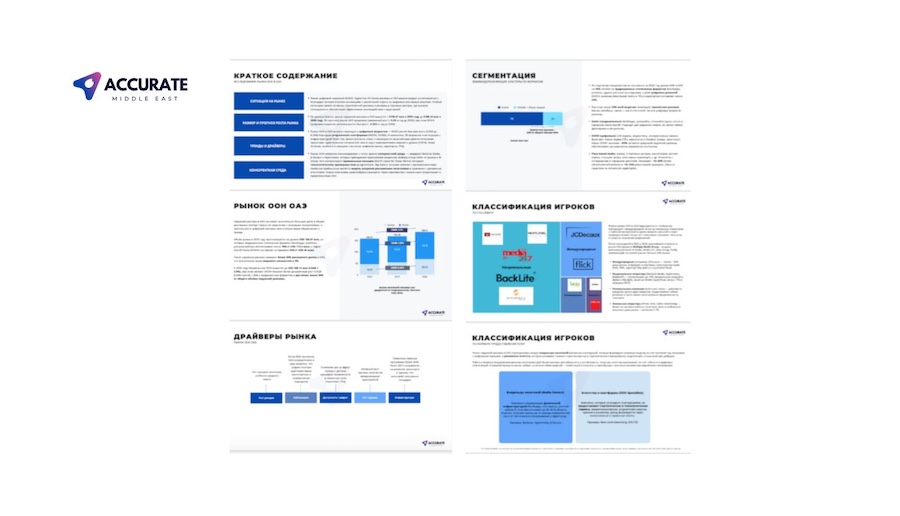
Market Entry Strategy UAE, GCC
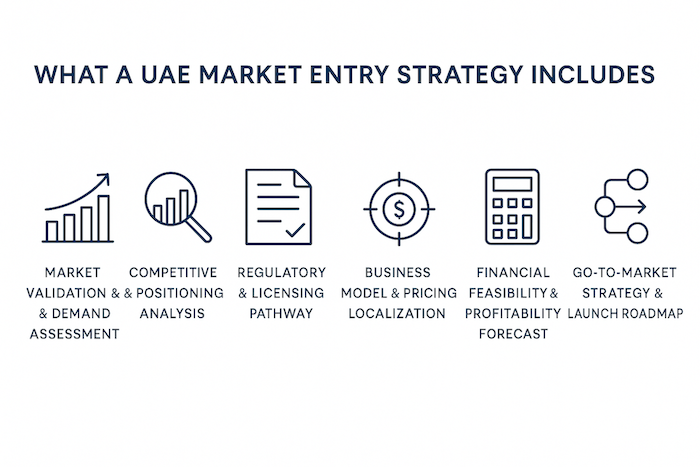
A UAE market entry strategy should provide management with the evidence and recommendations required to make an informed expansion decision. The exact scope depends on the industry, business model and stage of market entry, but typically combines market research, commercial analysis, regulatory assessment and financial evaluation.
At Accurate Middle East, we structure each project around the decisions the client needs to make. Rather than applying a standard template, we determine which questions need to be answered before the company commits investment and build the research and analysis around them.
Depending on the project, a UAE market entry strategy may include the following components:
UAE Market Entry Strategy
Market Opportunity & Demand Validation
The first question is whether there is sufficient and accessible demand for the company’s product or service in the UAE. Market size alone is rarely enough to answer this.
We assess market structure, demand drivers, relevant customer segments, growth dynamics and potential barriers to entry. Where secondary data cannot provide sufficient evidence, the research may include interviews with potential customers, distributors, industry experts or other market participants.
The objective is to determine where the realistic commercial opportunity exists, who is likely to buy, and whether the addressable demand is sufficient to justify market entry.
Competitive & Positioning Analysis
Understanding the competitive landscape is essential before deciding how to position a new entrant in the UAE. In many sectors, companies compete not only with local businesses but also with established international and regional players offering different products, pricing models and routes to market.
We assess the relevant competitors, their products or services, pricing, positioning, target customers, sales channels and market presence. Depending on the project, the analysis may also cover market shares, customer perceptions, competitive strengths and weaknesses, and benchmarking against the client’s proposed offer.
The objective is not simply to create a list of competitors. It is to identify where the market is already crowded, where potential gaps exist, and how the client can realistically differentiate its offer in the UAE.
Regulatory & Market Entry Requirements
Regulatory requirements can materially affect the cost, timing and feasibility of entering the UAE. The relevant requirements depend on the business activity, industry, products or services offered, proposed operating model and Emirate.
As part of a market entry strategy, we identify the regulatory and licensing considerations that may influence the recommended entry model. This can include company structure, permitted activities, sector-specific approvals, product registration or certification requirements, localisation requirements and other relevant market-entry conditions.
Where specialist legal or regulatory advice is required, this is identified separately. The purpose of this stage is to ensure that regulatory requirements are considered alongside the commercial strategy before the company commits to a particular route to market.
Market Entry Model & Route-to-Market
There is no single market entry model that works for every company in the UAE. Depending on the industry, customer base and commercial objectives, a business may enter through direct sales, a distributor or local partner, establish its own UAE presence, use a joint venture, or combine several routes as the market develops.
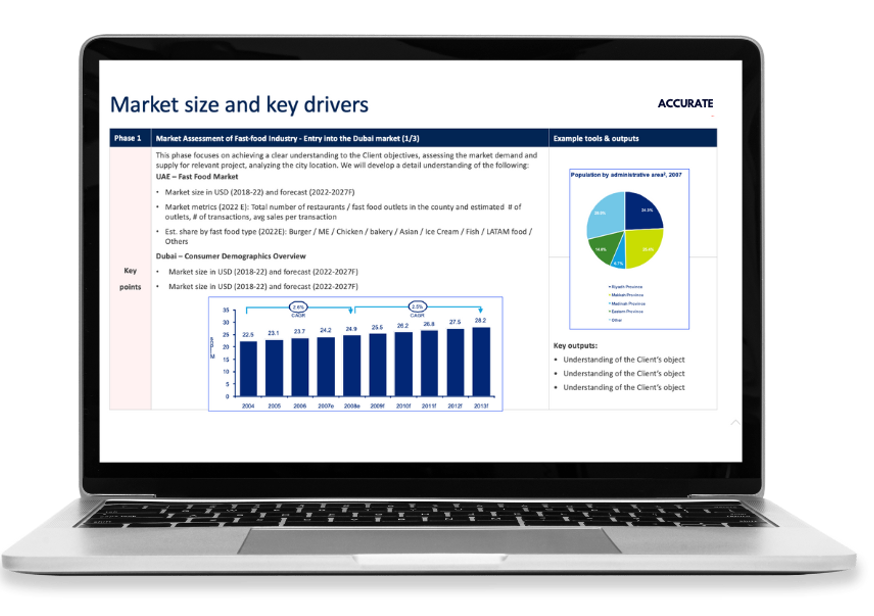
We evaluate the available entry options against factors such as target customers, sales channels, investment requirements, level of control, regulatory considerations, speed of entry and long-term growth objectives.
The recommended model should reflect how the company can realistically reach customers and operate in the UAE, rather than simply which setup option is easiest to establish. In some projects, we may also recommend a phased approach — for example, validating demand or working through a local partner before committing to a larger permanent operation.
Business Model & Commercial Localisation
What works in another market does not always translate directly to the UAE. Sometimes the product itself is right, but the pricing is not. In other cases, the issue is the sales channel, customer segment, procurement process or simply the way the offer is positioned.
As part of the market entry strategy, we look at the client’s existing business model and test its key commercial assumptions against UAE market conditions. This may lead to relatively small adjustments — such as pricing or positioning — or to a more significant change in the proposed sales or distribution model.
Importantly, localisation does not mean rebuilding the business model for the UAE. The aim is to understand what should remain unchanged, what needs to be adapted, and why.
Commercial & Financial Assessment
Market attractiveness alone does not make an entry strategy commercially viable. Before recommending a route to market, we consider the investment and operating assumptions behind it — including expected pricing, sales potential, setup and operating costs, and the resources required to enter the market.
Depending on the scope, this may include high-level revenue scenarios, cost assumptions, break-even considerations or comparison of alternative entry models. Where a detailed financial model or investment feasibility assessment is required, this can be developed separately as part of a full.
Average Cost of Market Entry Strategy Development
The cost of developing a UAE market entry strategy depends primarily on the depth of research required, the industry, geographic coverage and the decisions the strategy needs to support.
A focused assignment addressing a specific market entry question will naturally require less work than a comprehensive project combining market sizing, primary research, competitor analysis, pricing, regulatory assessment, entry model evaluation and financial analysis.
| Service | Typical Scope | Indicative Cost (AED) | Notes |
|---|---|---|---|
| UAE Market Entry Strategy Development | Market & competitor analysis, regulatory review, financial feasibility, entry model and go-to-market roadmap. | 25,000 – 55,000 | Final quote depends on industry complexity and scope. |
At Accurate Middle East, the scope and commercial proposal are therefore developed around the client’s specific objectives rather than a standard package. As an indication, comprehensive UAE market entry strategy projects typically start from AED 25,000, with the final investment depending on the research methodology and scope.
Why Choose Accurate Middle East for UAE Market Entry Strategy?
Accurate Middle East is a Dubai-based market research and strategy consulting company supporting international businesses evaluating entry and expansion opportunities in the UAE and wider GCC.
Our approach combines local market knowledge with research and commercial analysis. Depending on the project, this may include:
- Primary market research — interviews with customers, distributors, industry experts and other market participants where direct market validation is required.
- Competitor and pricing intelligence — understanding how the market actually operates, how competitors are positioned and what customers are paying.
- B2B and B2C market experience — projects across manufacturing, construction, healthcare, consumer products, professional services and technology.
- Commercial rather than purely theoretical analysis — research is structured around the actual business decision: whether to enter, where to focus, which model to use and what needs to be adapted.
- UAE and GCC market perspective — useful for companies considering the UAE as a standalone opportunity or as part of a wider regional expansion.
- Support beyond strategy where required — partner or distributor search, customer development and other practical market-entry activities can be scoped separately through our UAE Market Entry Services.
Planning to Enter the UAE Market?
If your company is evaluating expansion into the UAE, we can help you validate the opportunity, assess the risks and develop a market entry strategy based on your specific business model and objectives Contact Accurate Middle East to discuss your UAE market entry project and receive a tailored scope and proposal.
-
- WhatsApp/ Call: +971 50 559 5603
- Email: team@meaccurate.com
- Request a callback by clicking the button “Contact Us” below.
- Or request a free 20-minute consultation to discuss your market entry plans in a small brief.
Frequently Asked Questions
A UAE market entry strategy is a structured plan for evaluating and entering the UAE market. It typically assesses market demand, target customers, competitors, pricing, regulatory requirements, entry models and commercial viability before defining the recommended route to market.
The scope depends on the business and the decision being made. It may include market research, demand validation, competitor and pricing analysis, customer segmentation, regulatory assessment, market entry model selection, commercial localisation and high-level financial assessment.
The cost depends on the scope, industry and research methodology. Comprehensive UAE market entry strategy projects at Accurate Middle East typically start from AED 25,000, with the final investment depending on the depth of market research, primary interviews, competitor analysis, regulatory assessment and financial analysis required.
A focused assignment may take several weeks, while a comprehensive strategy involving primary research and multiple analytical workstreams will require longer. The timeline is defined after the research scope and required outputs have been agreed.
Market Entry Strategy determines whether and how a company should enter the UAE market. Market Entry Services support the practical implementation after the direction has been selected, such as distributor or partner search, customer development and other local market-entry support.


